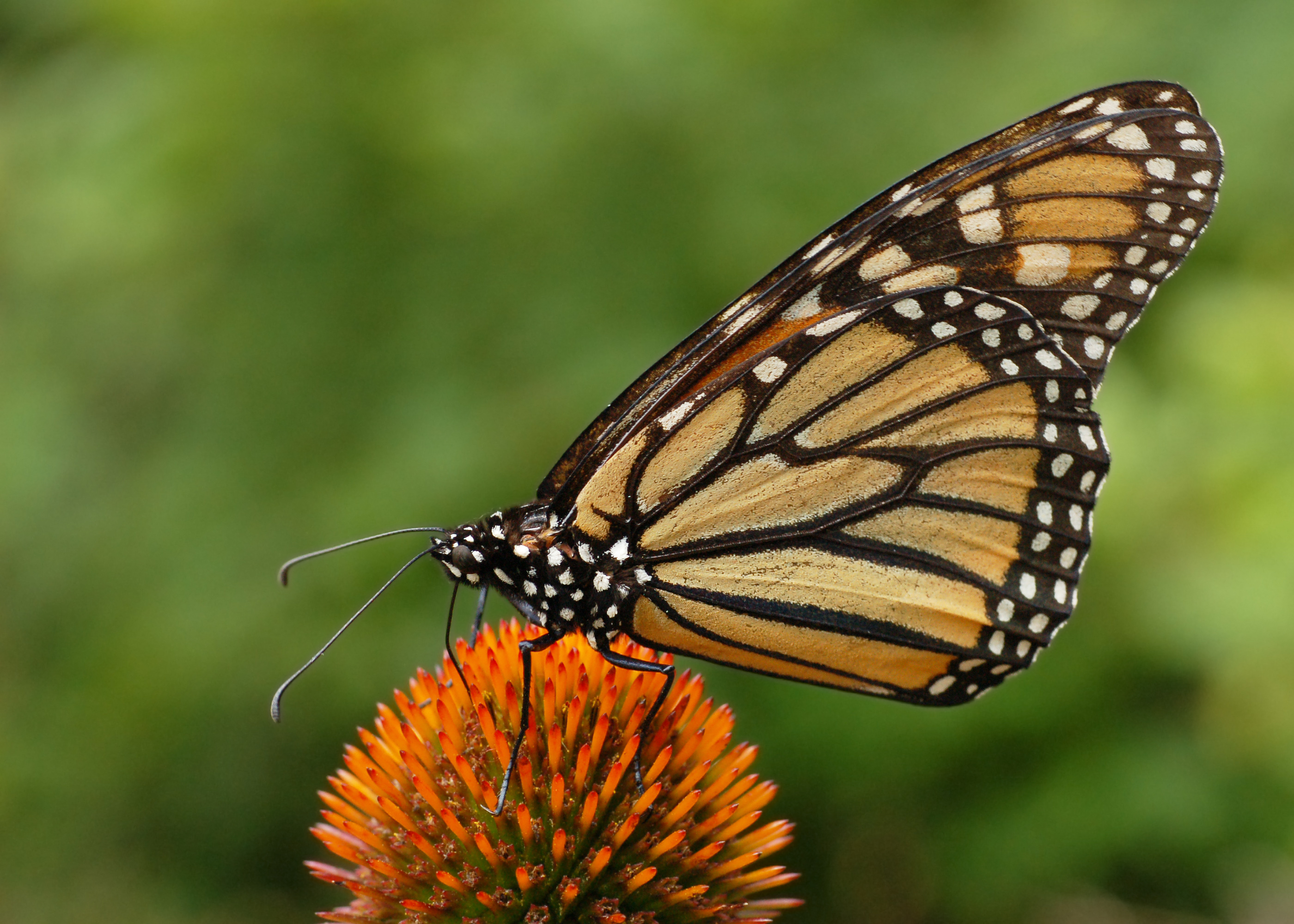
Seed Mixes
Selecting Native Seed Mixes for Canadian Meadow Restoration
Regional ecotypes, soil preparation, and seeding windows for prairie and meadow species suited to each Canadian province.
From former lawns to degraded hay fields, converting low-diversity ground cover into native wildflower meadow takes planning, the right seed mix, and a mowing calendar timed to plant growth cycles — not to aesthetics.

Three core areas for converting degraded land to functional pollinator habitat.
Regional ecotypes, soil preparation, and seeding windows for prairie and meadow species suited to each Canadian province.
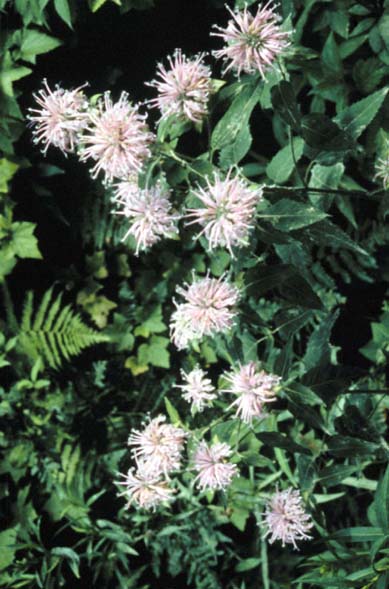
How cut height, timing, and patch rotation determine whether a meadow sustains ground-nesting bees and overwintering insects.

Identification, control timing, and follow-up seeding strategies for common invasives found on converted agricultural land in Canada.
A selection of regionally appropriate species used in meadow restoration across Ontario, Manitoba, and the Prairie Provinces.

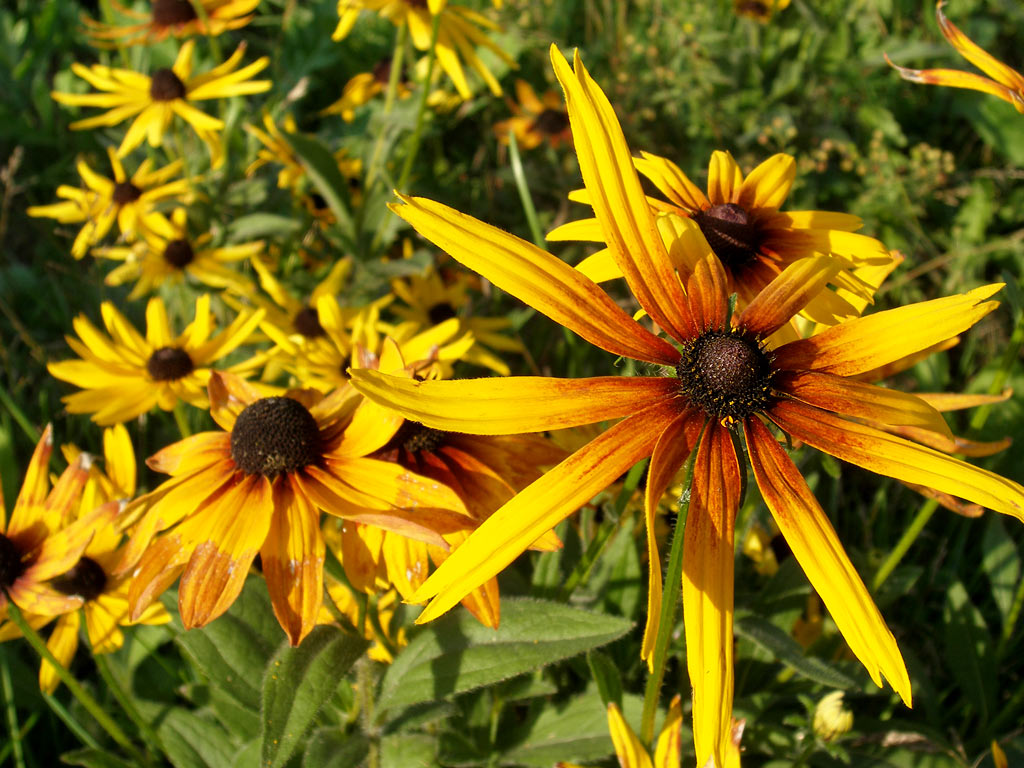
Before seeding, identifying existing soil type, drainage, weed pressure, and past land use determines which species will establish and which management steps come first.
Plants grown from seed collected within the same ecoregion adapt better to local conditions. Ontario Carolinian seed differs from Prairie Province sources even within the same species name.
Most native perennials spend their first growing season developing root systems rather than flowering. Expecting a full bloom display in year one leads to premature management decisions.
Annual weed competition in the first two years is the main cause of restoration failure. Nurse crops, strategic mowing at specific heights, and hand-pulling are the primary tools.
Roughly 70% of native bee species nest in the ground. Leaving unmowed patches of bare or sparsely vegetated soil, particularly on south-facing slopes, supports nesting populations.
A restored meadow shifts in species composition for several years. Tracking which species persist, which expand, and which disappear informs whether the management plan needs adjustment.
Use this form to submit general questions about meadow restoration topics covered on this site. This form does not connect to an agronomist or restoration contractor.
Content on this site is for informational purposes only. Consult a qualified restoration ecologist or provincial conservation authority before undertaking large-scale habitat work.